Tan Color Doors


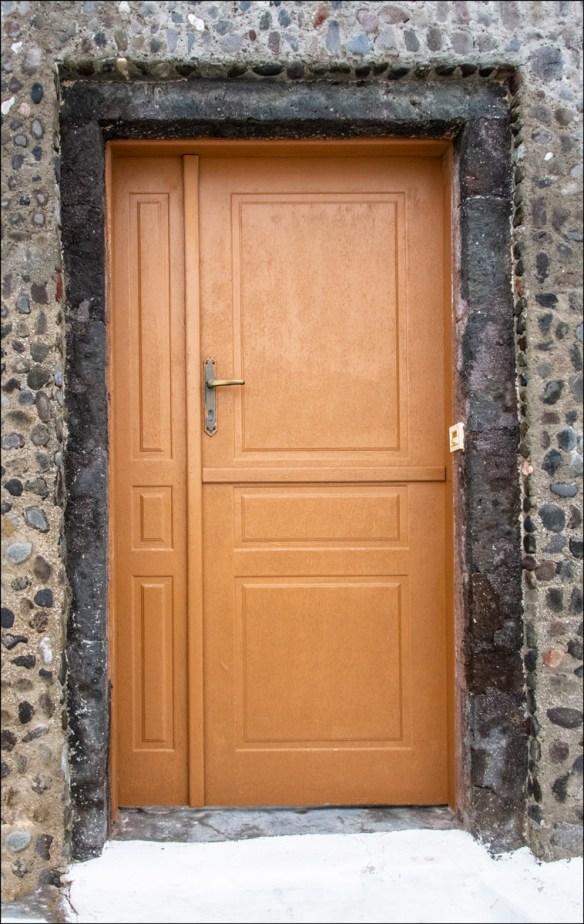
Tan Color Doors
Shades of Gray


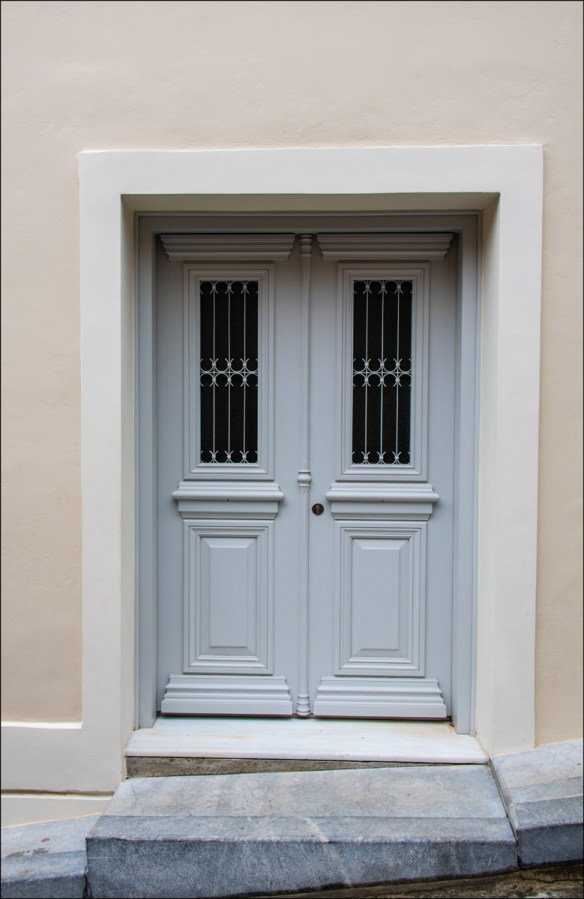


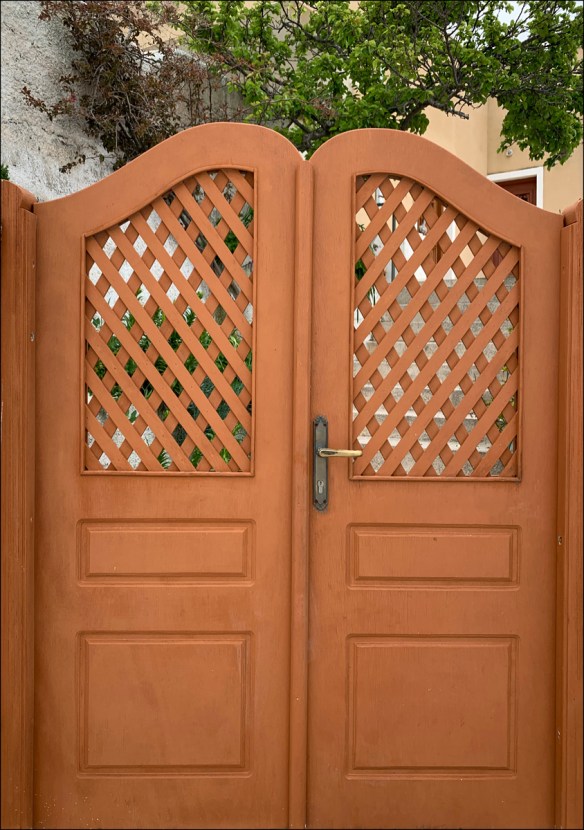
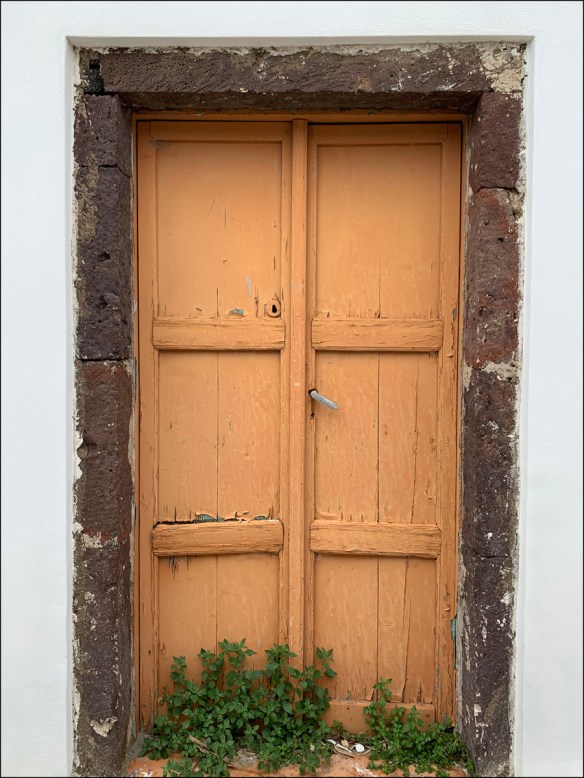
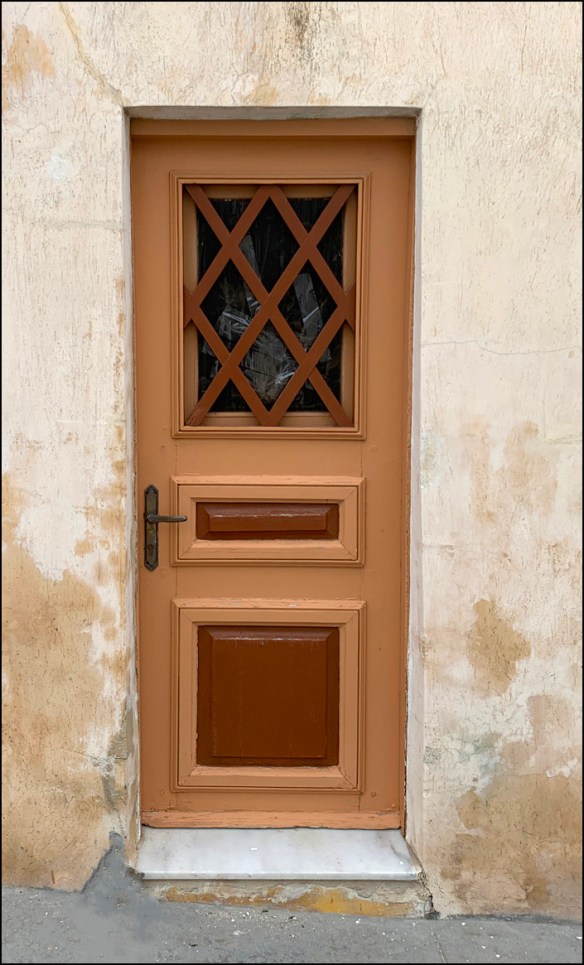
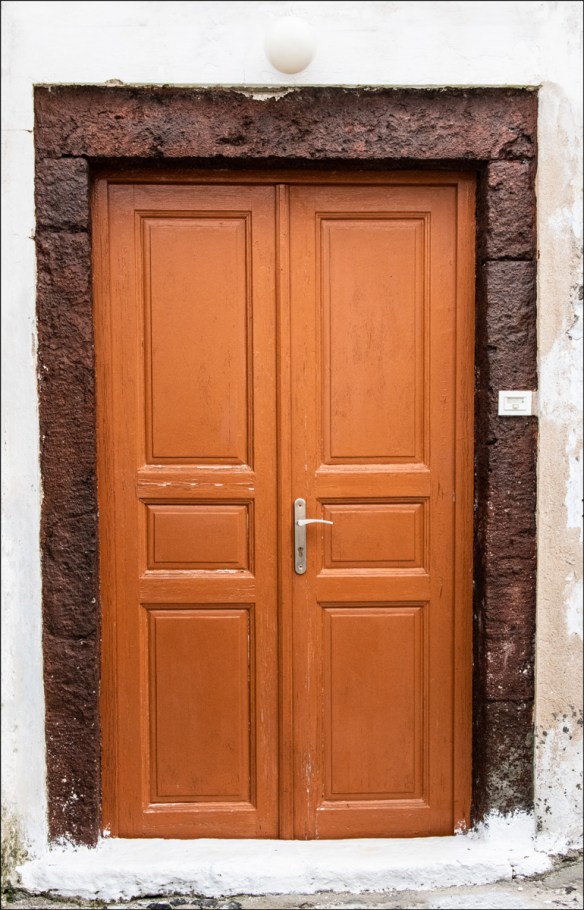
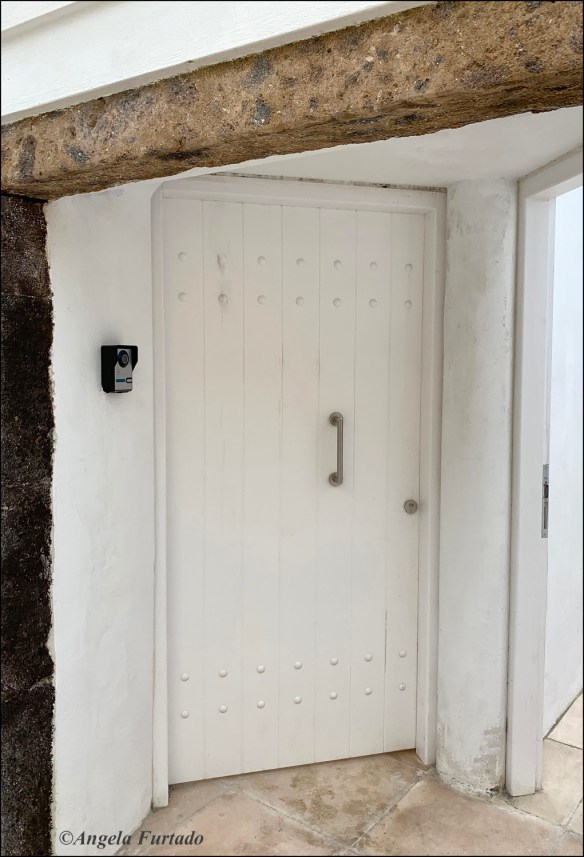
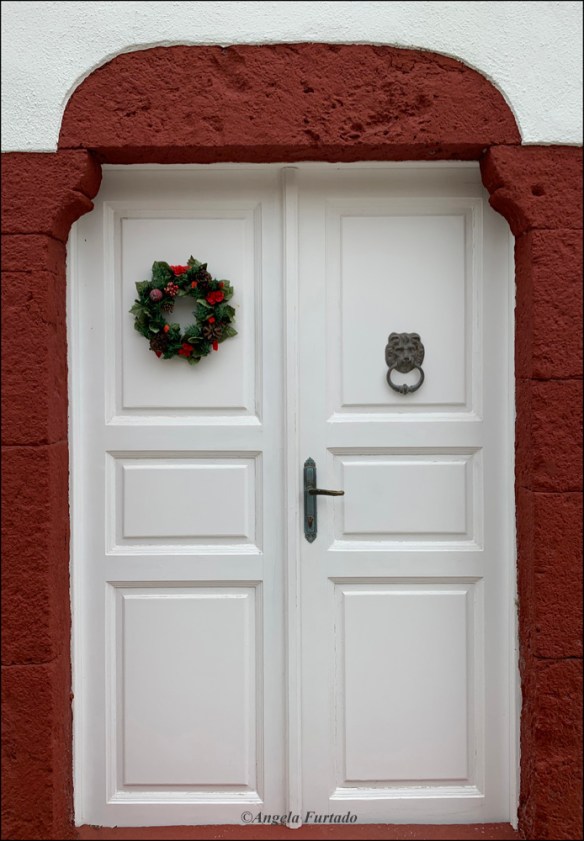
Even when semi-hidden, doors are very much a part of the scene. Here are some such scenes, from pathways around various villages of Santorini, Greece. 


Doors of Pláka ~~
“Pláka is the old historical neighborhood of Athens, clustered around the northern and eastern slopes of the Acropolis, and incorporating labyrinthine streets and neoclassical architecture. Plaka is built on top of the residential areas of the ancient town of Athens. It is known as the “Neighborhood of the Gods” due to its proximity to the Acropolis and its many archaeological sites.” We stayed at a hotel in Pláka, which was the best decision we’ve ever made. Location, location, location! This post shows doors from the old part of Pláka. It was fun walking around the narrow streets looking for doors. And I found many! There will be more doors from Pláka in future posts.


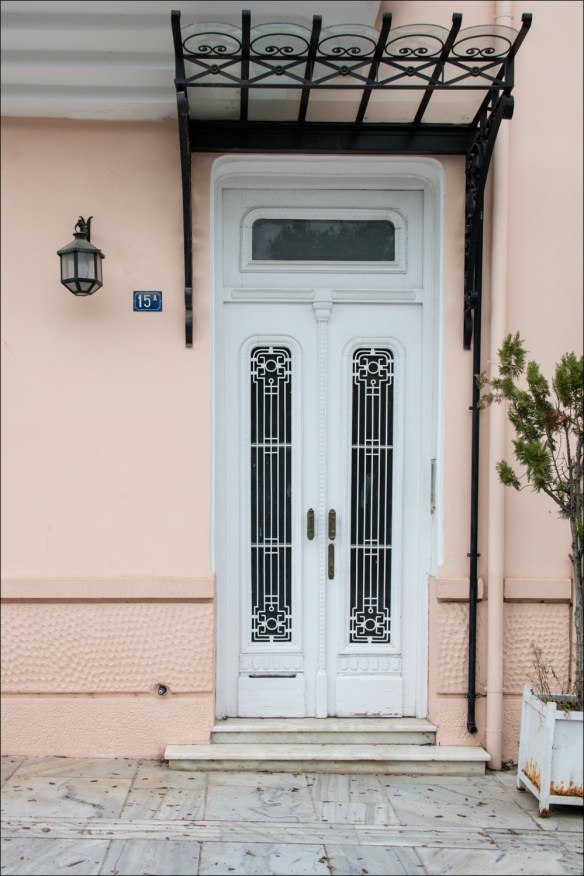
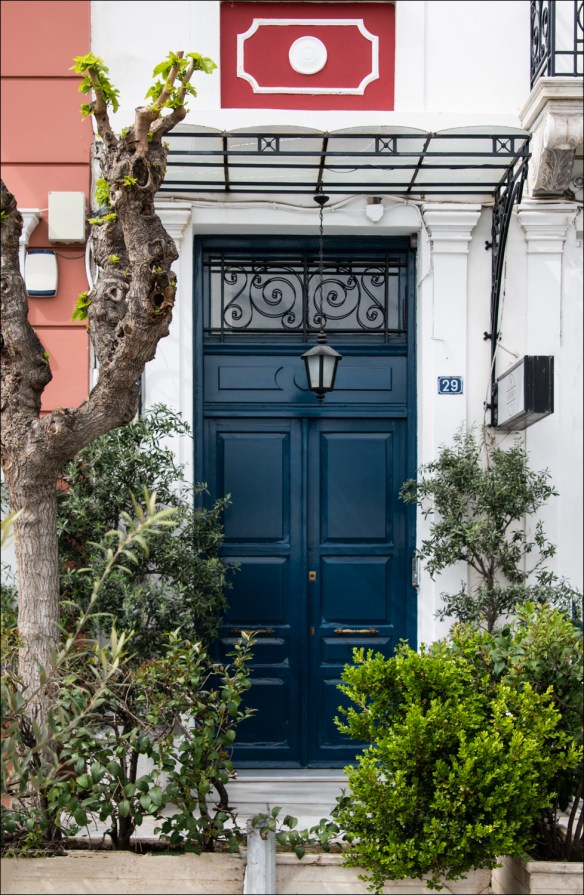
A red, a white, and a blue, in honor of 4th of July, Independence Day in the United States of America.
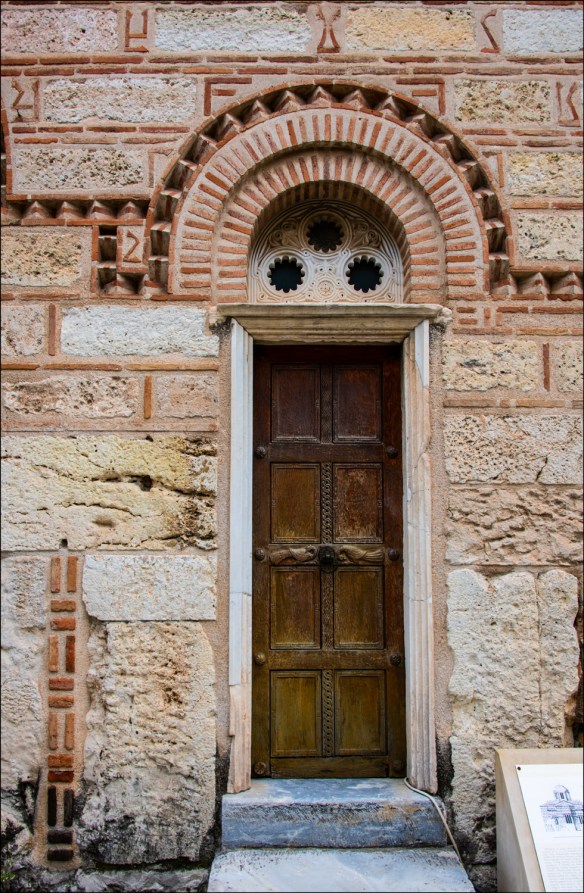
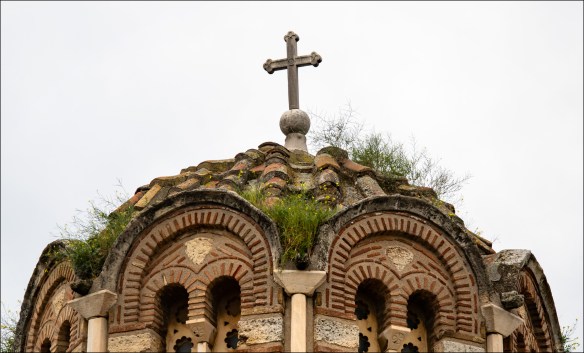
Doors of the Church of the Holy Apostles, located on the grounds of the beautiful Ancient Agora of Athens, in Greece.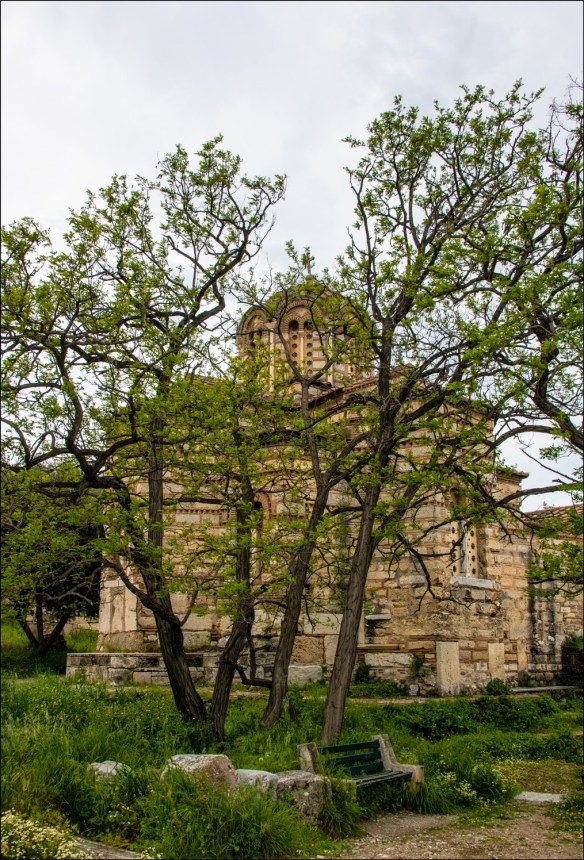



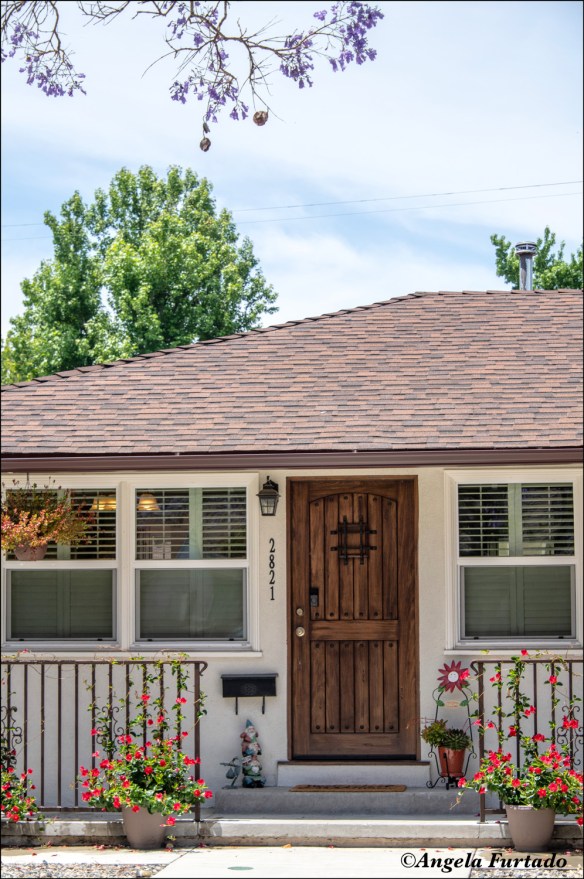
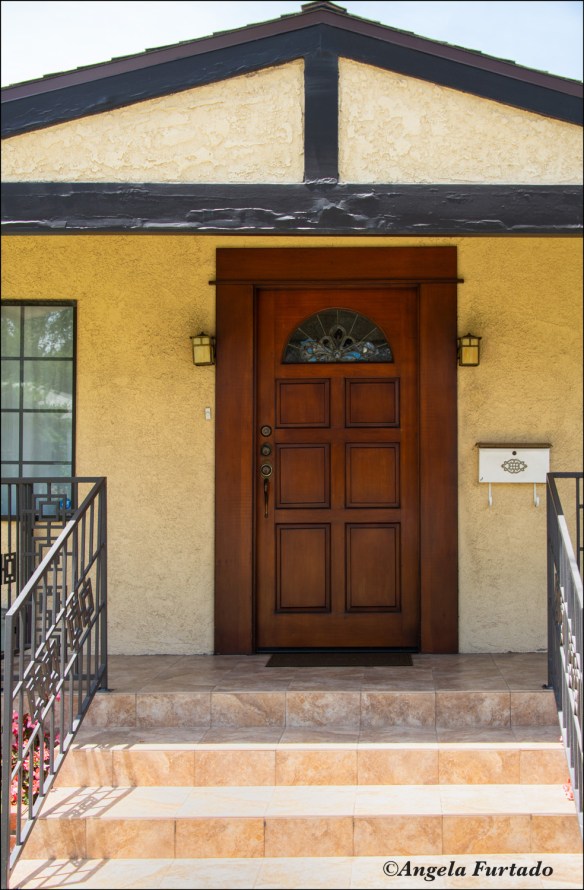
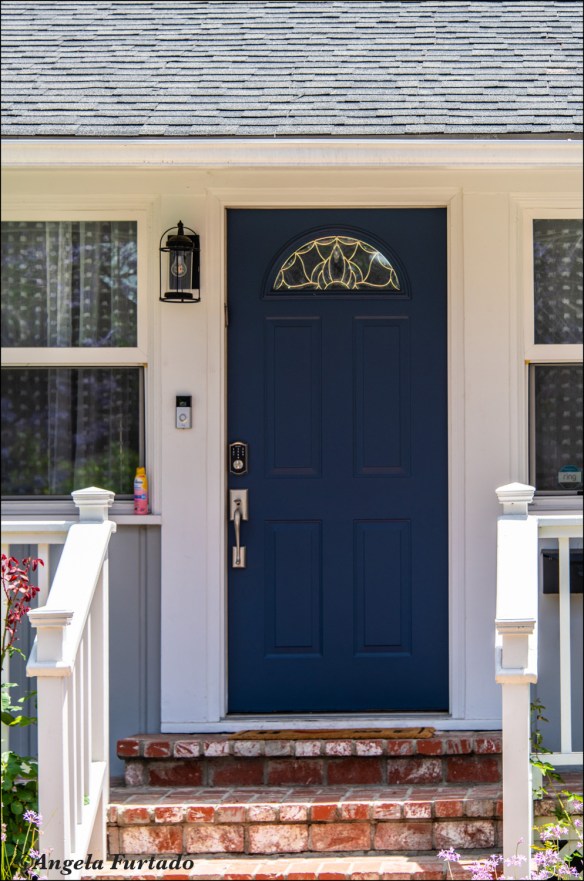
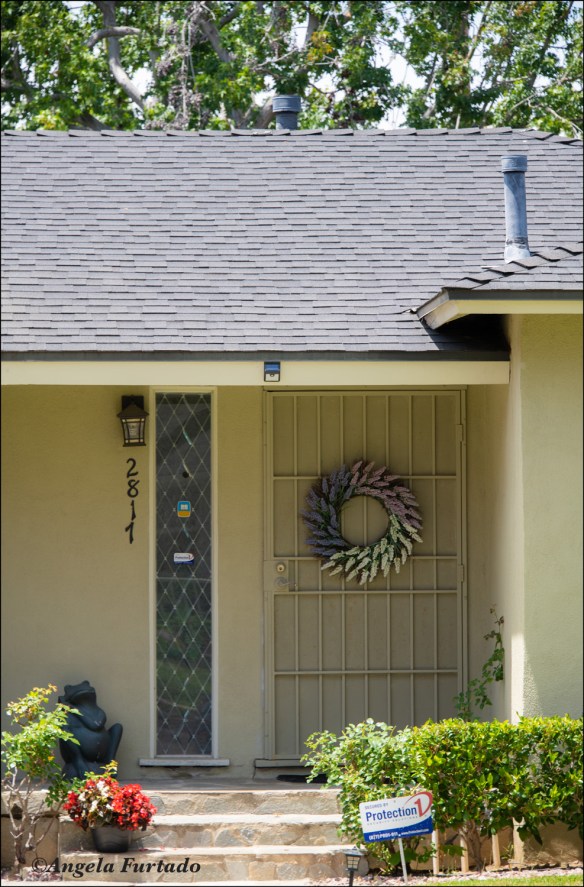
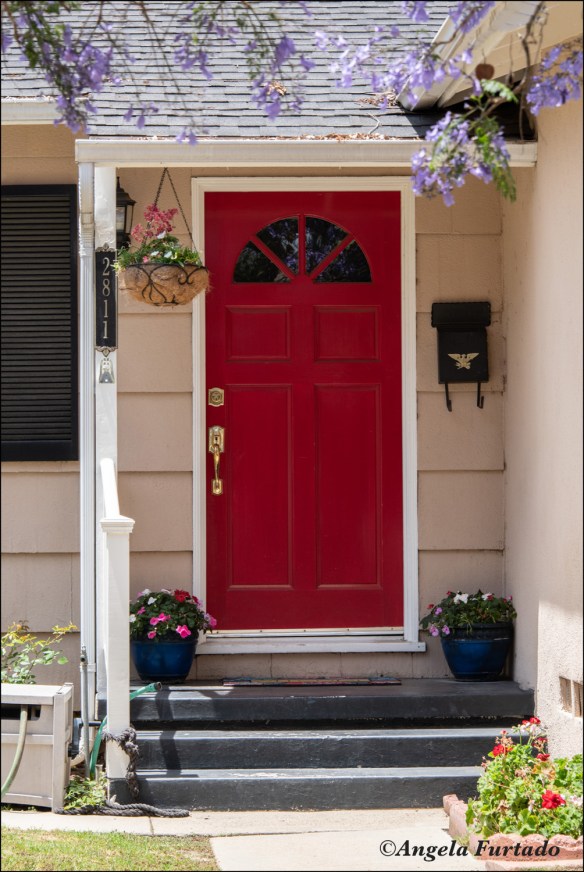
A week or so ago I went out to photograph the Jacaranda trees that were in full bloom here is Los Angeles. Instead of going to the beautiful streets of Beverly Hills, where photographers are not always welcomed, I chose a quiet little street in West LA, lined up with Jacarandas on both sides. Much to my surprise, the jacarandas were not the only attraction there. Every house had a colorful, interesting door, even the most modest ones. So that tuned into a door photo shoot too. 



~~ The Doors of Hagia Sophia (Ayasofya), Istanbul, Turkey ~~
Built in AD 537, at the beginning of the Middle Ages, Hagia Sophia is a former Greek Orthodox Christian cathedral. When Constantinople was conquered by the Ottoman Empire in 1453, the cathedral was converted into a mosque. At that point, the bells, altar, iconostasis, and other relics were destroyed. Mosaics depicting Jesus, Mary, Christian saints, and angels were destroyed or plastered over. Hagia Sophia remained a mosque until 1931 and after being closed to the public for four years, it re-opened in 1935 as a museum by the Republic of Turkey. Hagia Sophia is considered the epitome of Byzantine architecture and is said to have “changed the history of architecture.”
Hagia Sophia Cathedral/Museum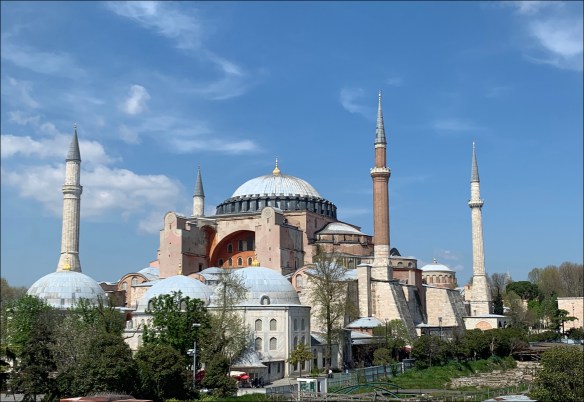
Main Door (one of the entrances to the building)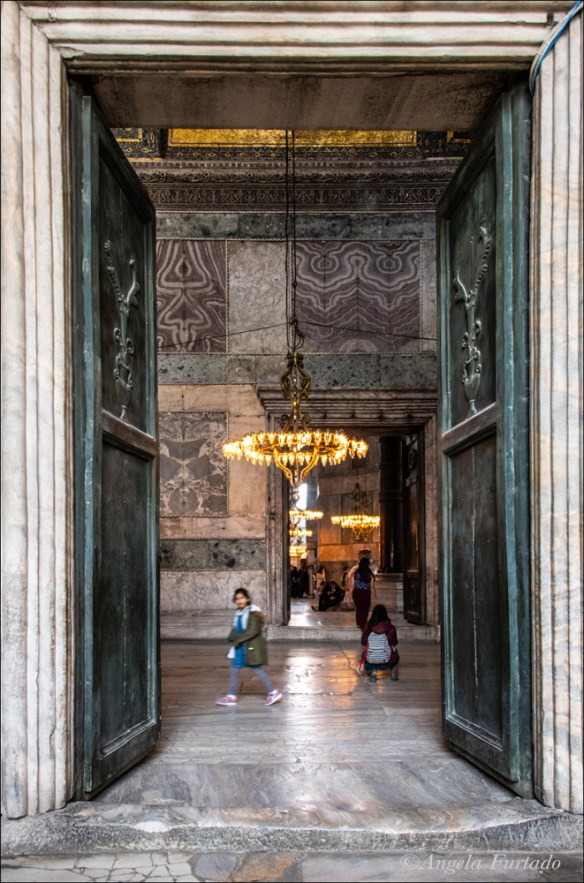

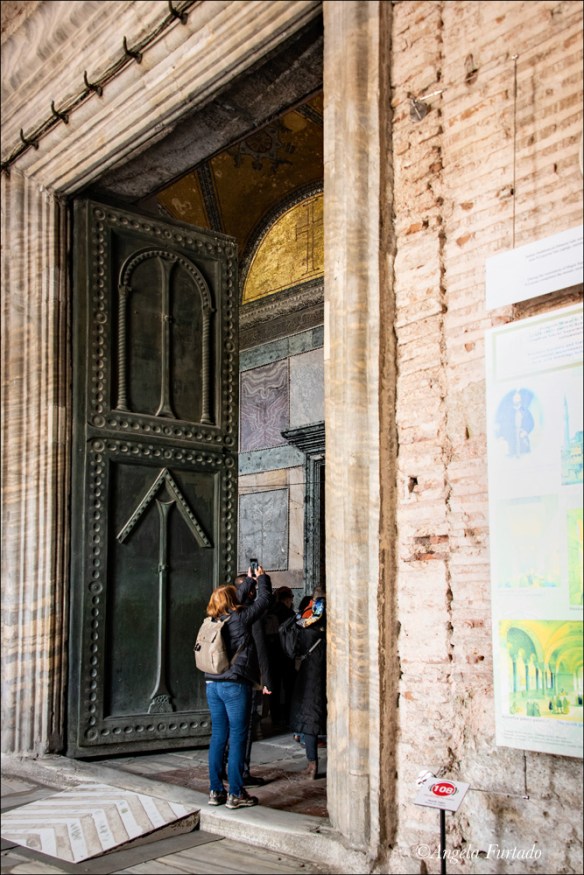
The Narthex (below) is the entry space for worship, a space where worshippers would gather before and after service.
The Emperor Door (below), the largest door of Hagia Sophia, provides passage to the main structure from the inner narthex section. The Emperor door is 7 meters high and made of oak, with a bronze frame. It’s called the Emperor door because only the Emperor could pass through it on special occasions. The mosaic on top dates back to the 9 or 10th century. It depicts Emperor Leo VI with a halo over his head, giving proskynesis, an act of respect – to Christ, who is sitting on a jeweled throne. With his right hand, Christ is blessing the emperor, and his left hand is holding a book written “Peace be with you.”
Hagia Sophia Library – built by Sultan Mahmud I in 1739. Library Doors
Other Internal Doors. There are other more interesting doors in Hagia Sophia, but with so much to see, and the crowd, I missed them… 😦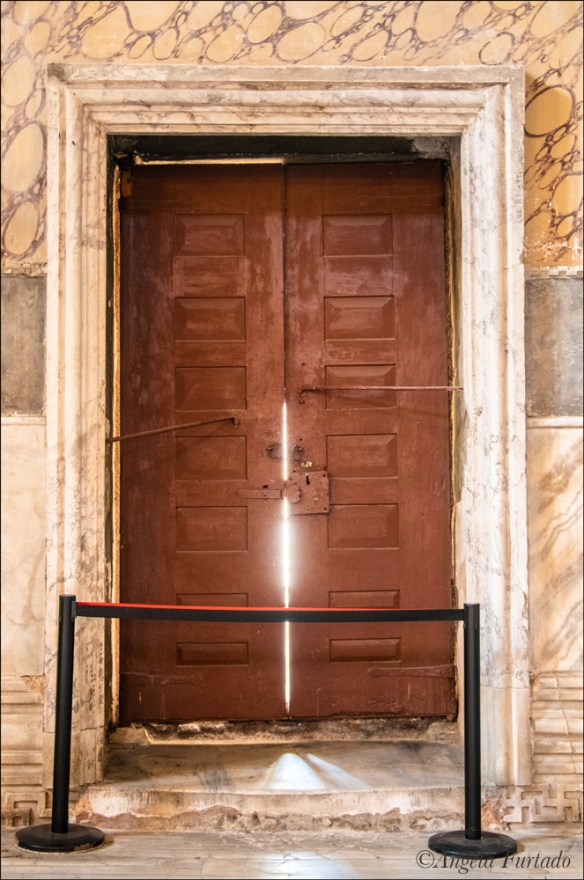

Shots of the cathedral.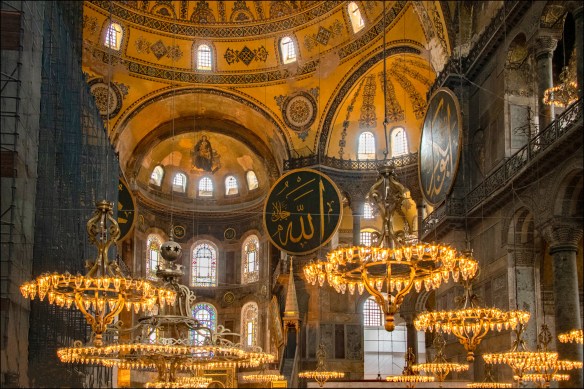


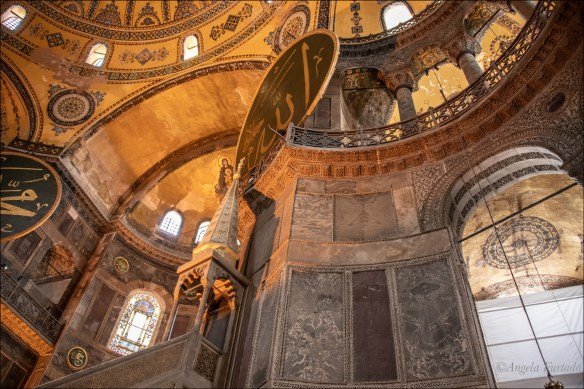
 For Norm’s Thursday Doors.
Jane Lurie Photography
Less is not enough.
photography, poetry, paintings
And then I stop and sit and eat.
Jy is wat jy dink - nie wat jy dink jy is nie. Dit help soms om hardop te lag vir wat jy dink of dink jy is.
To See a World in a Grain of Sand...
Creative Exploration in Words and Pictures
One Photo, One Story at a Time
Street | Urban | Travel | Photography by Marcus Puschmann
Focus Hocus Pocus
Fun, Photography & Friends
capturing memories one moment at a time
Sharing a world of joy with photos and words
Gardens Plants Travel
Photography at its most candid
by Neil Williamson
A photographer's view of the world - words and images to inspire your travels and your dreams
Fotografía y algo más...
Wildlife photography along the urban edge
Colouring by touch : altering by thought : fed by feeding.
A daily selection of the best content published on WordPress, collected for you by humans who love to read.
sharing photographs, poetry, and random thoughts
Travel blog about the amazing places I have been and those that I would still love to visit.
My experiences in Italy and the world
Somewhere to play with image styles
An exploration in human being after decades of human doing.
Notes on Seeing, Reading & Writing, Living & Loving in The North
life, the universe and everything - in pictures
photographs on the street
Chris is an amateur photographer and blogger who just wanders around with a smartphone taking photos
The secret to having it all is believing that you do!
Documentary Photography, Street Photography, Photo Reportage, Black and White, film,
Words and Pictures from the Middle East
Adventures in Photography
If you aren't living on the edge, you're taking up too much space



 For
For  Shoot 'N Go